Geography
At Galliard we want our children to develop a curiosity and fascination about the world and its people that will remain with them for the rest of their lives. We want them to understand and have opinions on key global geographical issues which affect our world and we want to teach them to value ways of life that are different to their own.
We follow the National Curriculum for the teaching of Geography and children learn through a focus on key geographical concepts of:
Locational knowledge
Human and Physical Geography
Skills and fieldwork
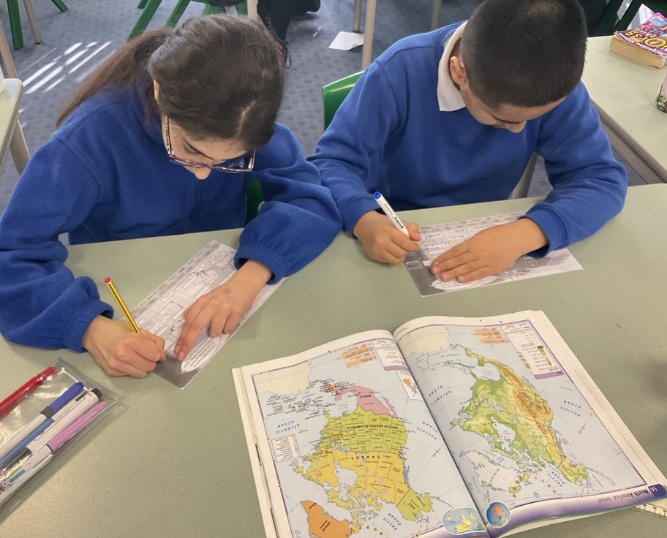
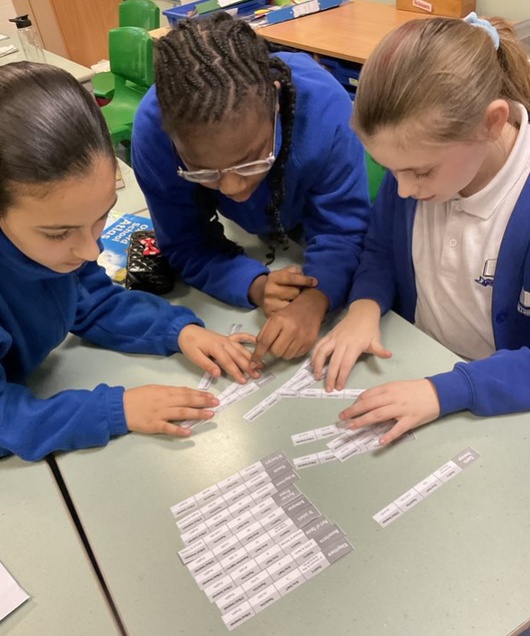
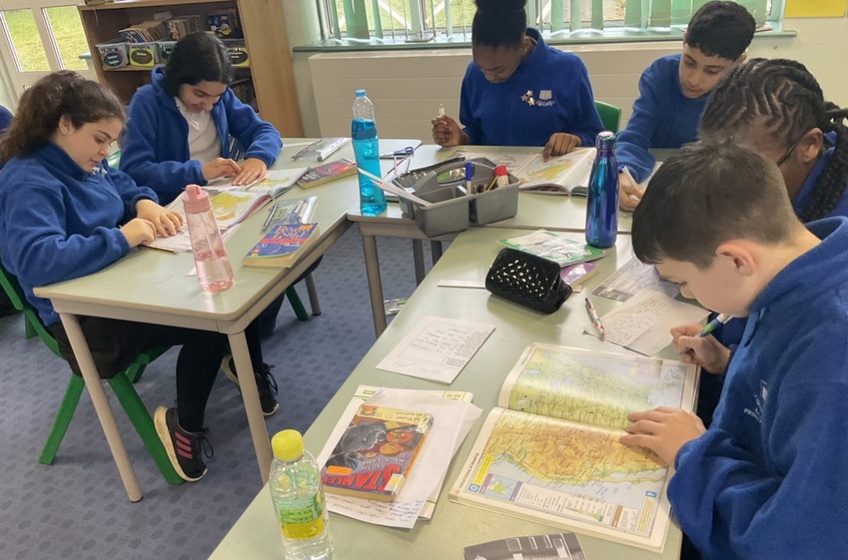
As children move through the school from Early Years to year 6, their knowledge, experience and understanding of these concepts will broaden as they meet them again in greater depth in different ways over the years. Through revisiting and making links with past learning, the children can increase their understanding of geography and ensure they have a firm foundational knowledge to take with them to secondary school.
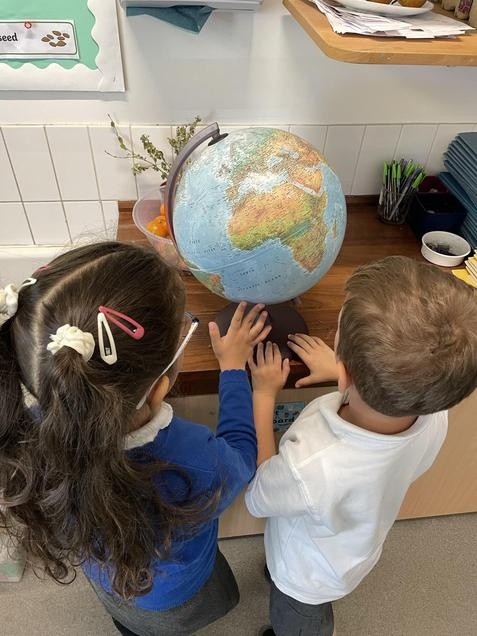
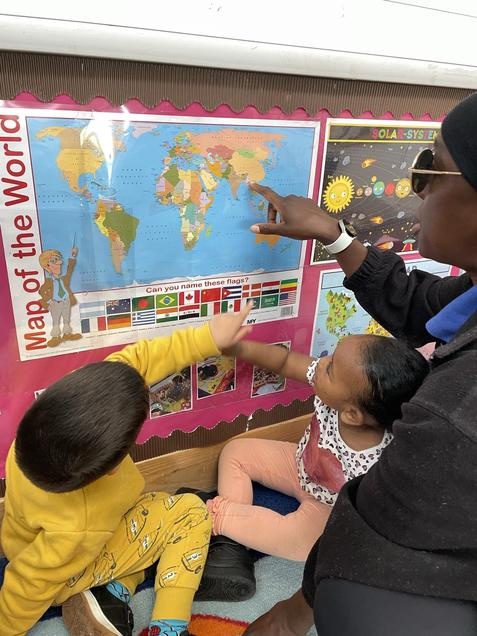
As a school, we have built in a developmental approach to teaching location and place knowledge, moving from their local area, to London and the UK, before moving onto the wider world. We teach both physical and human geography and how each impacts on the other. We encourage the children to appreciate different cultures and ways of life across the world, beyond their own experience.
Key to our curriculum is the building of cultural capital for our children, enhancing their knowledge of places across the world, as well as enabling them to have practical opportunities to learn about geography that they may not otherwise have.
Vocabulary enrichment runs through our whole curriculum and geography lessons provide an excellent opportunity to develop vocabulary that can be used in many other subject areas.
Geography Overview
Early Years Geography Curriculum Map
Progression documents
- EYFS Curriculum
- Year 1 Curriculum map
- Year 2 Curriculum map
- Year 3 Curriculum map
- Year 4 Curriculum map
- Year 5 Curriculum map
- Year 6 Curriculum map
Digimap Club
Our new Digimap Club has launched this term with a group of enthusiastic Year 6 geographers. The children have been developing their digital mapping skills and learning how to investigate real places using a range of online tools.
So far, pupils have explored the zooming scale bar to understand distance, used the freehand shape tool to highlight areas of land, and measured their size accurately. They have also practised adding labels to their maps and used the map selector to switch between modern and historic maps, comparing how our local area has changed over time. The children can now recognise and identify a range of Ordnance Survey symbols on different maps.
“I feel excited to come to Digimaps club because it’s fun and we learn different symbols, for example, a blue house with an M in the middle is a museum. We also learnt the area and distance of places and can travel back in time and look at old maps. The older maps show lots of land whereas the modern maps show that there are many more buildings around.” — Leyla, 6K
“Last week we used a measurement tool to measure the area of Galliard Primary School. We also measured the area of cargo on a ship and that was about 15000 meters squared!” — Arriz, 6B
“I like Digimaps club because we learn about maps and how to find places. We found churches, museums, Galliard Primary School and even my house!” — Miran, 6LG
The group has made a fantastic start, and we look forward to seeing how their mapping skills grow over the coming weeks!


Year 4 Become Volcanologists!
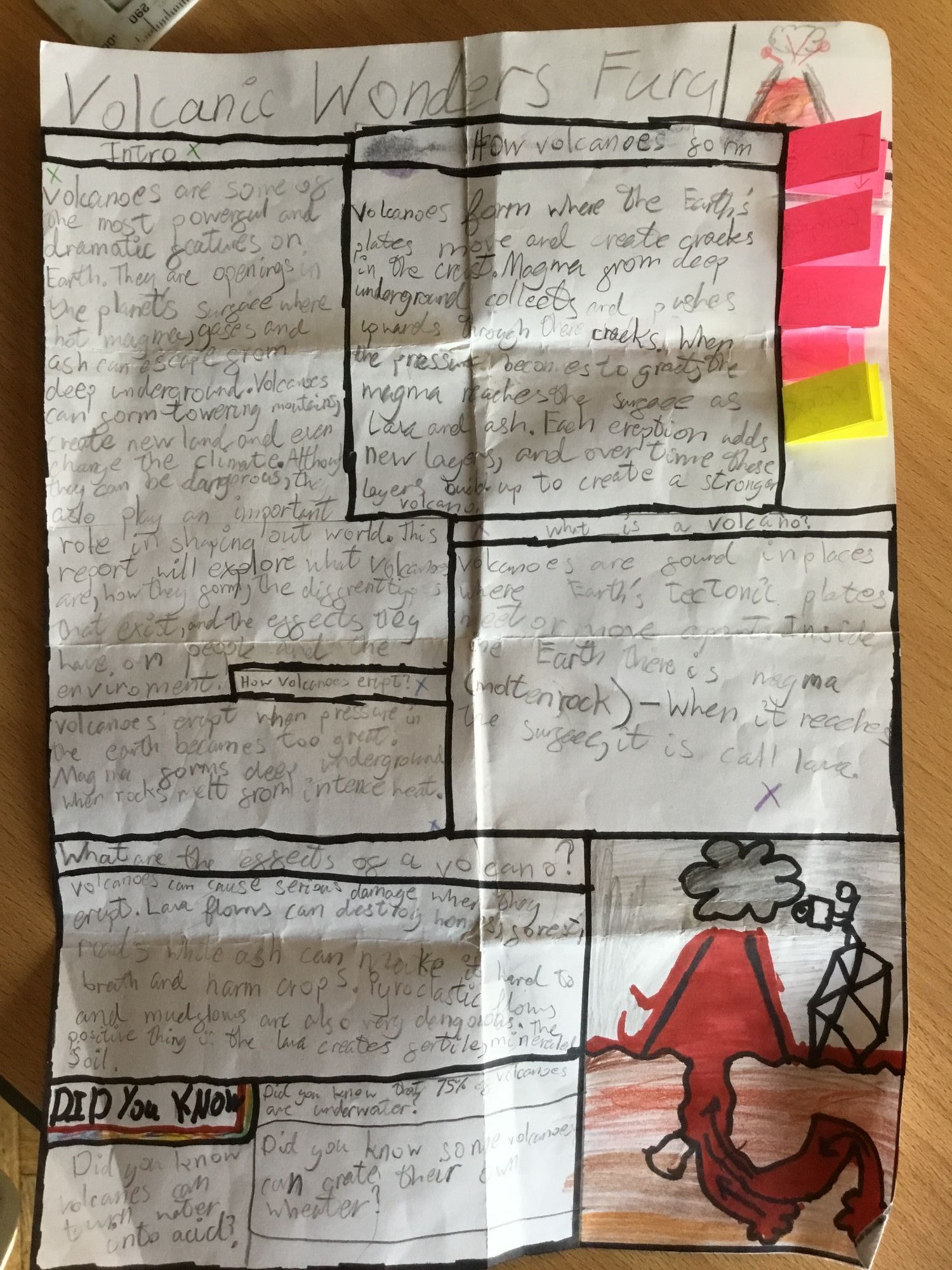
This week, Year 4 invited Miss Carrington to a special volcanologist session where the children proudly shared their learning about volcanoes. They have been working hard to produce impressive non-chronological reports packed with fascinating facts and technical vocabulary.
The children explained how volcanoes are formed, the differences between shield and composite volcanoes, and the meanings of active, dormant and extinct. They even discovered that the word volcano comes from the Roman word Vulcan — the god of fire!
One child explained about how major volcanic eruptions can even affect the climate. This is because ash and gases released into the atmosphere can temporarily cool the Earth. Their explanations showed excellent understanding and enthusiasm for the topic.
We are incredibly proud of the high-quality reports they produced and the confidence with which they shared their knowledge.
Well done 4W!🌋


Inflatable Globes
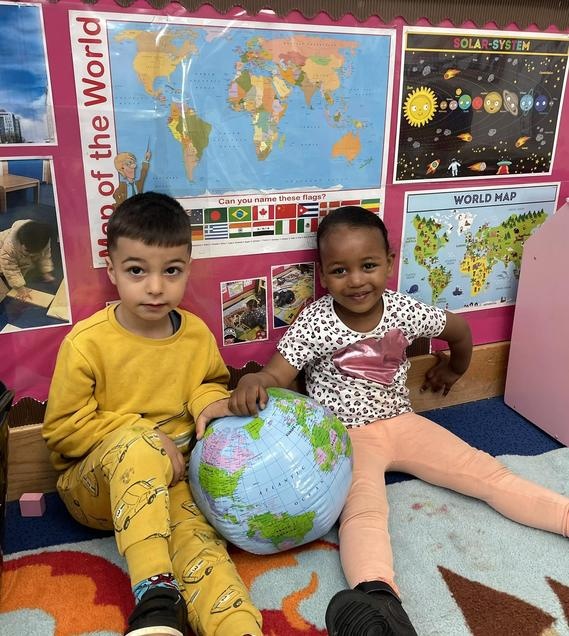
Across the school, children have been using inflatable globes to make their Geography learning active and engaging. These colourful globes have been used in retrieval activities to help pupils recall key facts about countries, continents, and oceans, as well as during outdoor learning sessions where they can explore the world in a hands-on way. The globes have brought fun and energy to lessons, helping children develop a stronger sense of the world around them.


